
Renovating a Two-Family Home in NJ? Why Soundproofing and Insulation Matter as Much as Tile and Countertops
Written by Chuck Waltman
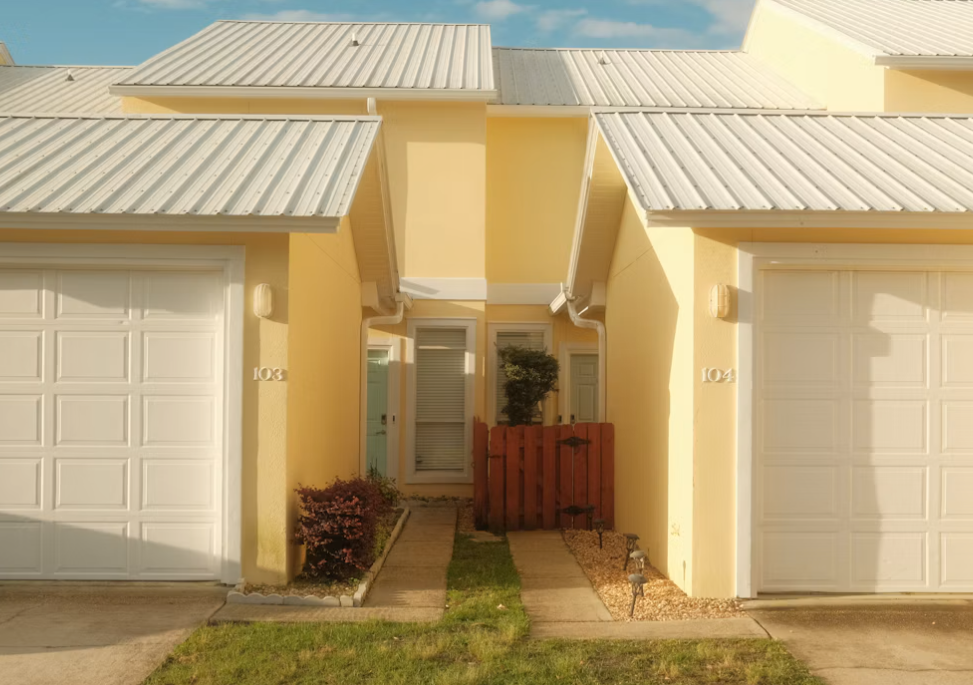
Most renovation budgets for a two-family home go to the rooms people photograph. Kitchens, baths and flooring get the money and the attention. The walls and floor between the units get whatever is left.
That order is backwards in a building where two households share structure. Noise and drafts are what tenants and neighbors complain about. Fixing them later means tearing open finished ceilings. This guide covers where renovation money does the most work in a New Jersey two-family. It applies to owner-occupants and to investors adding multi-family properties to a portfolio.
Fire Separation Between the Two Units
Before thinking about sound, know what the code already demands. New Jersey bases its one- and two-family rules on the International Residential Code. That code requires a fire-rated separation between the units. Both the shared walls and floors need at least a one-hour rating. A sprinklered building can drop to a half-hour rating, according to the International Code Council.
This matters during a renovation because the rated assembly is easy to damage. Recessed lights, new duct runs and plumbing holes all pierce the shared ceiling. Each penetration has to be protected so the rating survives. Ask your contractor how they plan to keep the separation intact. Then confirm the plan with your local construction official before the drywall goes up.
How Sound Travels Between Units Sound moves between units in two ways. Airborne noise covers voices, televisions and music. Impact noise covers footsteps, dropped objects and chairs dragged across a floor. Walls mostly fight airborne noise. A floor over another unit has to fight both.
Labs rate these separately. Sound Transmission Class, or STC, measures airborne sound. Impact Insulation Class, or IIC, measures footfall and similar knocks. Higher numbers mean better results.
Gaps matter more than most owners expect. Small holes and bypasses can drop field results 15 to 20 points below lab values. That figure comes from InspectApedia, a widely used inspection reference. An outlet box cut back to back with the neighbor’s box can undo an expensive wall. So can an unsealed pipe chase or a shared duct.
Choosing Insulation for Heat and Sound
Insulation is the one upgrade that serves comfort and quiet at the same time. In exterior walls and the attic, it slows heat loss through a New Jersey winter. In the shared floor and interior walls, it absorbs sound inside the cavity.
Not every product does both jobs well. National Gypsum publishes tested wall examples. In one, adding insulation to an empty wall raised its rating by eight STC points. The same manufacturer notes that spray foam adds little acoustically, because it hardens into a solid path for sound. Fibrous products such as mineral wool, fiberglass and recycled cotton behave better. Compare thermal insulation materials on both R-value and acoustic performance before you commit.
Insulation alone will not finish the job. In the same comparison, resilient channel added five more points by decoupling the drywall from the framing. Extra layers of drywall add mass, which helps again. Resilient channel also fails quietly if an installer drives screws through it into the joists. That mistake is common and invisible once the ceiling is painted.
Windows and Street Noise
Many New Jersey two-families sit on busy streets, near rail lines or under flight paths. In those homes, outside noise can matter more than noise from the other unit. Windows are usually the weakest point in the exterior wall. Bedrooms that face the street are the place to start.
Acoustical Solutions, which sells window treatments, puts a typical single-pane window around STC 27. It rates laminated or acoustic glass from the mid 30s to the mid 40s. Treat those as vendor figures, though the direction is consistent across the industry. For traffic and aircraft rumble, ask about the OITC rating too. It weights the low frequencies that STC tends to underplay.
Full replacement with soundproof windows costs the most and gives the cleanest result. Interior inserts and seal kits cost less and keep the original sash in place. No window blocks every sound, a point the same supplier makes in its own guide. Sealing gaps around the frame with acoustical caulk is cheap and helps either way.
Hard Floor Tile Over a Lower Unit
Finishes still matter, and stone wears well in kitchens, baths and entries. Travertine is a popular choice. It is a natural limestone with a soft, banded look that suits both traditional and modern rooms.
In a stacked two-family, though, the upper unit’s floor is the lower unit’s ceiling. Hard surfaces pass impact noise more readily than soft ones, as National Gypsum’s acoustics guidance points out. If you plan to install travertine floor tile upstairs, set it over a sound-rated underlayment. Ask for tested IIC results on a full floor assembly, not the mat on its own. The subfloor, the ceiling below and the setting materials all change the outcome.
Travertine is also porous, so it needs sealing after installation and again over time. Build that upkeep into the budget if the unit will be rented.
Budgeting for Energy Upgrades After 2025
A lot of older advice still points owners to a 30 percent federal tax credit for insulation. That credit no longer applies to new work. The One Big Beautiful Bill Act ended the Section 25C credit early. Improvements placed in service after December 31, 2025 are excluded. Insulation, windows and air sealing installed in 2026 do not qualify.
That changes the math, not the conclusion. Insulation and air sealing remain among the most cost-effective energy upgrades a home can get. Check current utility and state programs before you buy, because those offers change often.
Planning a Two-Family Renovation in New Jersey
The order of work decides the cost. Fire separation, insulation and sound control all live inside walls and ceilings. Do that work while those surfaces are open. Then put the remaining budget into the tile and countertops that buyers and tenants notice first.
A quiet, comfortable unit is easier to rent and easier to sell. From the shared floor to the window frames, consider the ideas above before the finishes go in. For more on buying, renovating and selling property in the Garden State, explore the resources at Callinan Properties.
Author Bio:
Chuck Waltman is a freelance writer that loves sharing his knowledge and expertise on real estate. He lives in San Antonio, Texas where he enjoys spending time with his wife and researching real estate trends in his free time. Chuck’s work as a freelance writer can be found on Building Product Advisors.