
How to Spot Major Structural Red Flags Before You Agree to a Buyer’s Inspection

It’s a scenario no home seller wants to think about.
An offer is accepted. Your home is sold.
And then the buyer’s inspection reveals a major structural issue that causes the deal to fall through.
Identifying these major issues early and enlisting the proper professional help can often limit the damage and help your home pass the most exacting inspections. Keep reading as we explore some tips for spotting structural red flags when preparing your home for sale.
Cracks in the Walls
Cracks in the walls are not good.
And depending on the direction of the cracks, they may be disastrous.
Vertical cracks, while not ideal, are typically more benign. They are often the result of foundation and/or drywall shrinkage. The damage is largely cosmetic.
Horizontal or diagonal “stair step” cracks are a different story altogether. They often arise due to soil pressure compromising the foundation walls. It is an issue that can easily be prevented by applying the best moisture barrier for basement walls and ensuring proper grading of the soil.
Uneven Floors
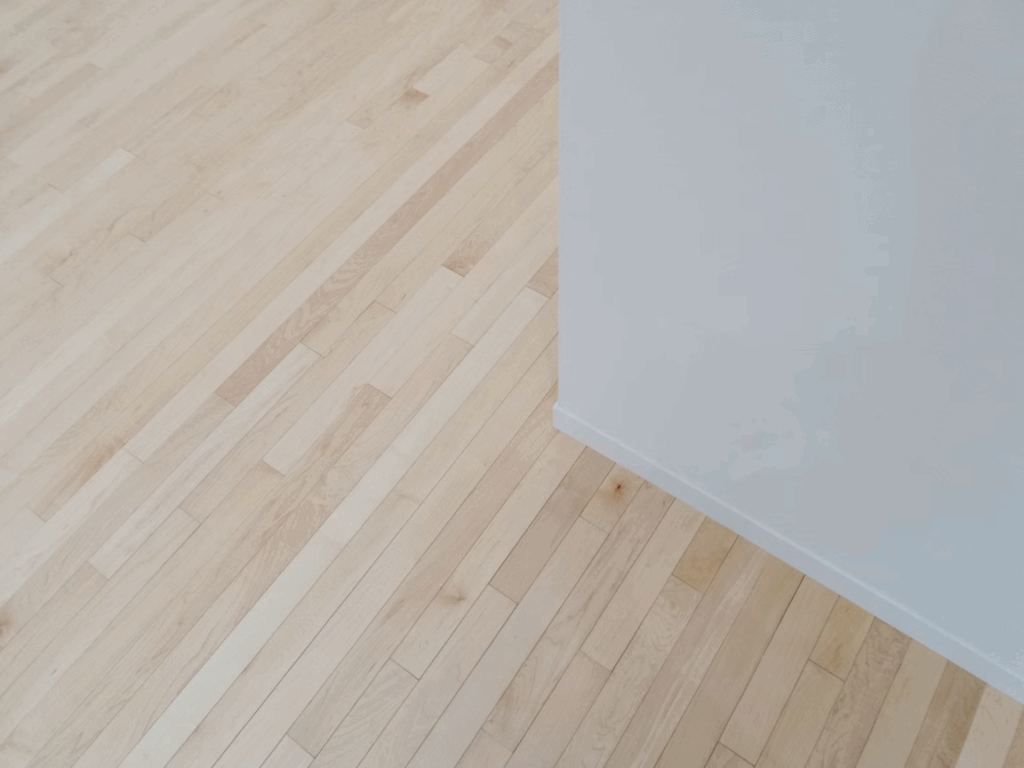
A good floor should feel solid underfoot.
If you take a step and the floor feels soft, sagging, or sloping in any degree, raise the red flag. It could mean damaged joists. Or water damage. Or even a termite infestation.
Understand that unstable floors are not just an aesthetic issue. They are a structural gamble that puts the integrity of the rest of the home (and the safety of the occupants) at serious risk.
Sagging Roof
There are numerous issues that can plague a roof.
Lifting. Blistering. Fading.
While none are desirable, they are nothing that an upgrade to class 4 shingles or other types of fire- and impact-resistant roofing can’t quickly rectify.
However, a sagging roof represents an entirely different story. It is a tell-tale sign of structural damage. It can predicate a roof collapse and is an immediate safety threat. In most cases, a sagging roof will require a complete replacement of the beams, girders, and other components of the roofing substrate to correct.
Sticking Doors
A sticking door is annoying.
There is nothing worse than being late to work and having to go back and give the door a Herculean pull just to latch.
However, it could be a sign of something much worse than a simple annoyance. A sticking door (and windows, too) can be a symptom of a shifting foundation or a frame thrown out of whack. They are often one of the earliest warning signs of a compromised foundation, with as little as one inch of foundational movement causing enough misalignment to lead to opening/closing issues for windows and doors.
Standing Moisture
Standing moisture around a house is unsightly.
It is a major turnoff if a potential buyer steps into a puddle when touring your property.
Unfortunately, the aesthetics may be the least of your worries. Standing moisture could be the result of clogged gutters. It may also be caused by pipe damage. Perhaps most concerning, standing moisture may be an indication of serious drainage issues. If the landscaping is not properly graded, this type of water accumulation can threaten the home’s foundation. It is also worth noting that concrete driveways can often exacerbate drainage issues, with water rolling off the surface and traveling along the problem path.
Gaps
Gaps at window-to-floor and window-to-ceiling transitions are another surefire sign of structural issues.
These types of gaps often occur when the soil beneath your home settles unevenly.
If you notice any gaps in these areas, waiting it out is a terrible idea. They will only get worse over time and may lead to a condition where the foundation and framing are no longer salvageable. Be sure to regularly inspect for gaps and contact a foundation repair expert immediately if you notice any changes.
Musty Smells

It is not just your eyes that should be doing the work ahead of a buyer’s inspection.
Smell can be a dead giveaway that something is awry.
Namely, a musty smell that lingers is often the result of mold or mildew thriving in a damp basement or crawl space. Not only is this a threat to the structural integrity of the home, but it compromises indoor air quality and can lead to a number of respiratory issues for occupants.
Don’t Wait: Stay Ahead of Structural Issues Before a Buyer’s Inspection
Staying ahead of major structural issues can help guarantee that your home passes buyer’s inspection. Being aware of the major red flags listed above helps you identify the issues and receive the proper help to prevent a pending deal from falling through. If you are in the New Jersey area and looking for to sell you home without making any structueal repairs reach out to Callinan Properties who will purchas your property as is even with major structural issues!